

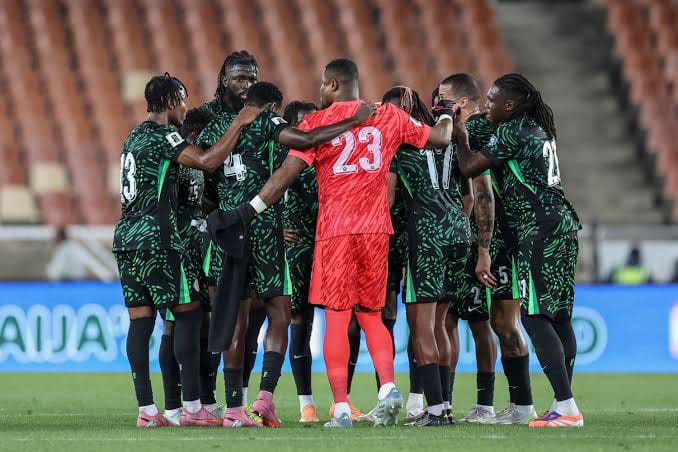
As Nigeria marks 66 years of independence, its football sector stands at a crossroads, with stakeholders calling for reforms to address persistent challenges in administration, infrastructure, grassroots development and the declining consistency of the Super Eagles.
While the Federal Government’s renewed focus on football governance offers hope, stakeholders say implementation will determine whether the country can finally convert its abundant talent into sustained success.
A major concern is the state of football facilities. Stakeholders have raised questions over the ability of Nigeria’s major stadiums to consistently meet international standards, forcing national teams and clubs to rely heavily on a limited number of approved venues. Nigeria Football Supporters Club President, Sam Ikpea, called for a comprehensive audit of major stadiums, specialist maintenance companies and stronger enforcement of CAF licensing standards, while advocating greater private-sector involvement in managing key facilities.
Administration remains another major challenge. Ikpea said poor planning, unstable coaching structures, weak league management and limited financial independence among clubs had continued to undermine Nigerian football. Sports Writers Association of Nigeria (SWAN) President, Isaiah Benjamin, also called for a holistic reset of football governance, saying the country must identify past failures and establish a more accountable and professional system.
The Super Eagles’ recent 3-0 defeat to Guinea-Bissau has further heightened concerns over the national team’s inconsistency, particularly following Nigeria’s failure to qualify for the 2026 FIFA World Cup. Ikpea described the result as a wake-up call rather than a reason for panic, while stressing the need for better preparation, tactical planning and a stable core of players. Stakeholders also called for stronger domestic competitions, improved scouting and a clearer pathway for developing young talent.
The reform agenda, involving the National Sports Commission (NSC), Nigeria Football Federation (NFF) and other stakeholders, is therefore expected to address both governance and development.
NSC Director-General Bukola Olopade, while highlighting Nigeria’s recent successes across several sports, including the 24-medal haul at the Glasgow 2026 Commonwealth Games and D’Tigress’ continued dominance, said sports development must go beyond celebrating athletes to improving facilities, competitions, systems and opportunities for young Nigerians.
For Nigerian football, the challenge is ultimately less about discovering talent and more about building a system capable of developing, protecting and consistently converting that talent into results.
The success of the current reforms will be measured not by announcements, but by functional stadiums, accountable administration, stronger domestic competitions, sustainable grassroots development and a Super Eagles structure capable of returning Nigeria to consistent international competitiveness.

Leave a comment