

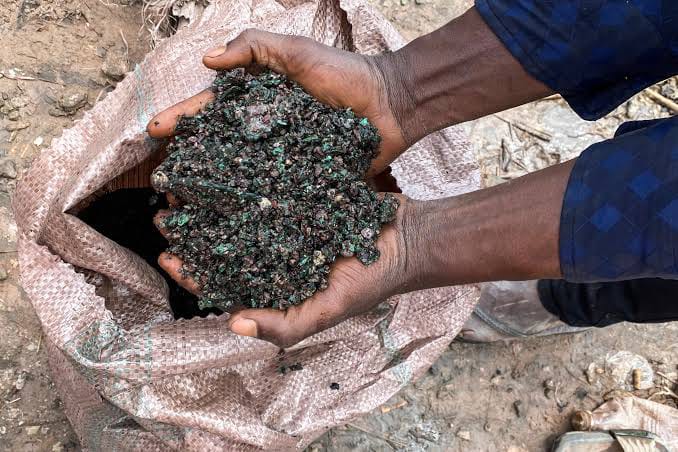
Africa produces most of the world’s cobalt but captures less than one per cent of the value generated across global green-energy supply chains, the United Nations has said, highlighting the gap between mineral production and industrial development.
The finding was contained in the 2026 Trade and Development Report released by UN Trade and Development (UNCTAD) in Geneva on Friday, October 9. Titled The Geoeconomics of Development, the report examines how geopolitical competition, technological advances and changing trade policies are reshaping economic opportunities.
According to the report, developing countries remain major suppliers of critical minerals used in electric vehicles, batteries and renewable energy technologies. However, developed economies capture about 70 per cent of announced greenfield investment value in high-value strategic industries, including semiconductors, artificial intelligence infrastructure and technologies supporting the energy transition.
UNCTAD said developing countries must strengthen local mineral processing, technological capacity, infrastructure and industrial policies to retain more value from their resources. It also called for stronger links between foreign investors and local suppliers to promote manufacturing, job creation and technology transfer.
The findings have implications for Nigeria’s efforts to develop its solid-minerals sector and attract investment into processing and manufacturing. UNCTAD stressed that resource-rich countries must move beyond exporting raw materials and deepen their participation in regional and global value chains, while calling for greater international cooperation to ensure the energy transition delivers more equitable development opportunities.

Leave a Reply