
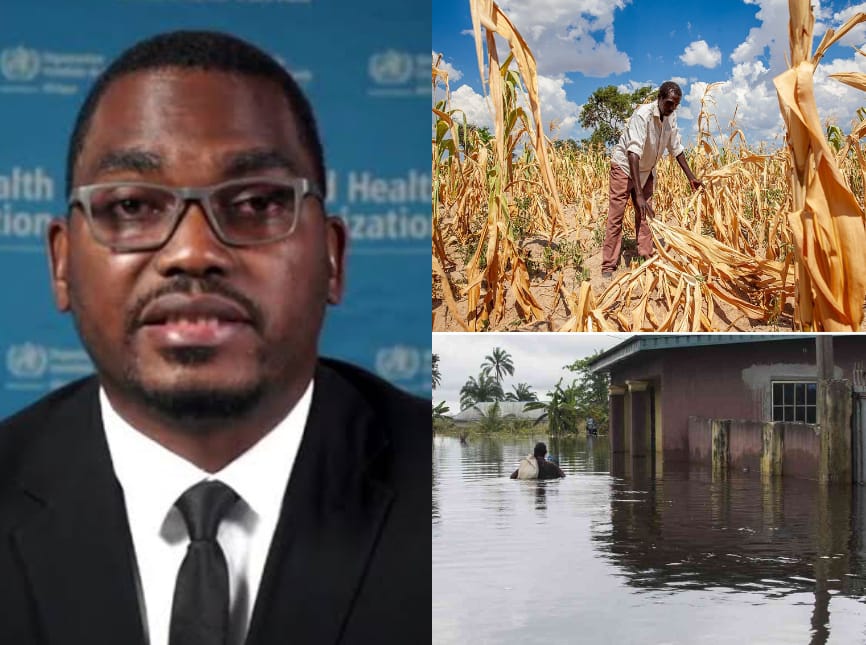
The World Health Organisation (WHO) has classified the anticipated health and humanitarian impacts of a developing strong El Niño as a Grade Three emergency in Africa, warning that flooding and drought could worsen disease outbreaks, food insecurity and malnutrition.
Dr Patrick Otim, WHO African Region Programme Area Manager for Emergency Response, disclosed this during an online briefing on Wednesday, September 23. He said the climate phenomenon was expected to intensify from late 2026 and continue into 2027, with 18 African countries identified as facing high or very high risks.
Otim said eastern and central Africa could experience increased flooding, creating favourable conditions for cholera and other waterborne diseases, while malaria, dengue, yellow fever and Rift Valley fever could also rise. Southern Africa, meanwhile, is expected to face severe drought, with potential consequences for food security, nutrition and access to safe water.
He said the risks were particularly concerning in countries already affected by conflict, displacement, disease outbreaks and hunger. According to WHO, 48.5 million people in eastern Africa currently require humanitarian assistance, while more than 40 million face acute food insecurity and 8.3 million children are acutely malnourished.
Otim stressed that the projected impacts were not inevitable, urging countries to use climate forecasts to strengthen surveillance and early-warning systems, identify vulnerable communities, update emergency plans and pre-position essential medicines and supplies. WHO is also establishing an incident-management team to coordinate preparedness, with about $2.2 million urgently needed to support immediate response activities.

Leave a comment