
From power lines to highways, Nigeria is shopping big on infrastructure — and the bill is running into trillions.
The Infrastructure Concession Regulatory Commission says Nigeria is ramping up efforts to close its massive infrastructure gap, estimated at $2.3 trillion between 2020 and 2043.
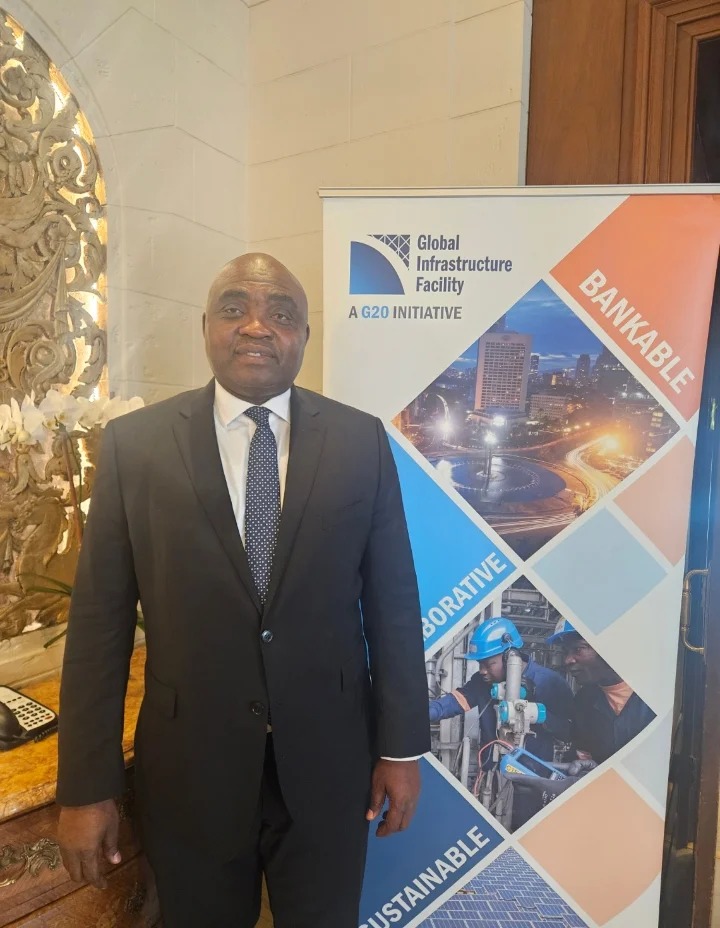
Director-General Jobson Ewalefoh disclosed this in Washington D.C. during the IMF/World Bank Spring Meetings, saying the country needs about $100 billion yearly for the next 23 years to stay on track.
But there’s a catch — government budgets alone can’t carry the load.
Ewalefoh said that is why Nigeria is leaning heavily on Public-Private Partnerships (PPPs), with projections showing up to 70% of infrastructure funding expected from private investors.
He noted that global discussions at the forum stressed one key point: PPP models must be realistic, factoring in local risks, politics, and investor appetite in developing economies.
Despite the challenges, he insisted Nigeria is pitching itself as a prime investment destination, pointing to a population of about 250 million and ongoing economic reforms aimed at improving investor confidence.
He also assured investors of strong legal protections, emphasizing contract sanctity, rule of law, and policies designed to reduce risk and guarantee returns.
Priority sectors include energy and transport — needing an estimated $759 billion and $595 billion respectively — alongside ICT, agriculture, health, and education.
Ewalefoh credited President Bola Tinubu for reforms that are helping to open the door wider for private investment in infrastructure delivery.
Nigeria isn’t just talking infrastructure — it’s actively shopping for global partners to build it.

Leave a comment