
Dial 112 in an emergency and hope the network cooperates—that’s the harsh reality experts say is slowing down Nigeria’s emergency response system when lives are literally on the line.
Nigeria’s emergency response system is battling a problem that no siren can fix: poor telecoms connectivity.
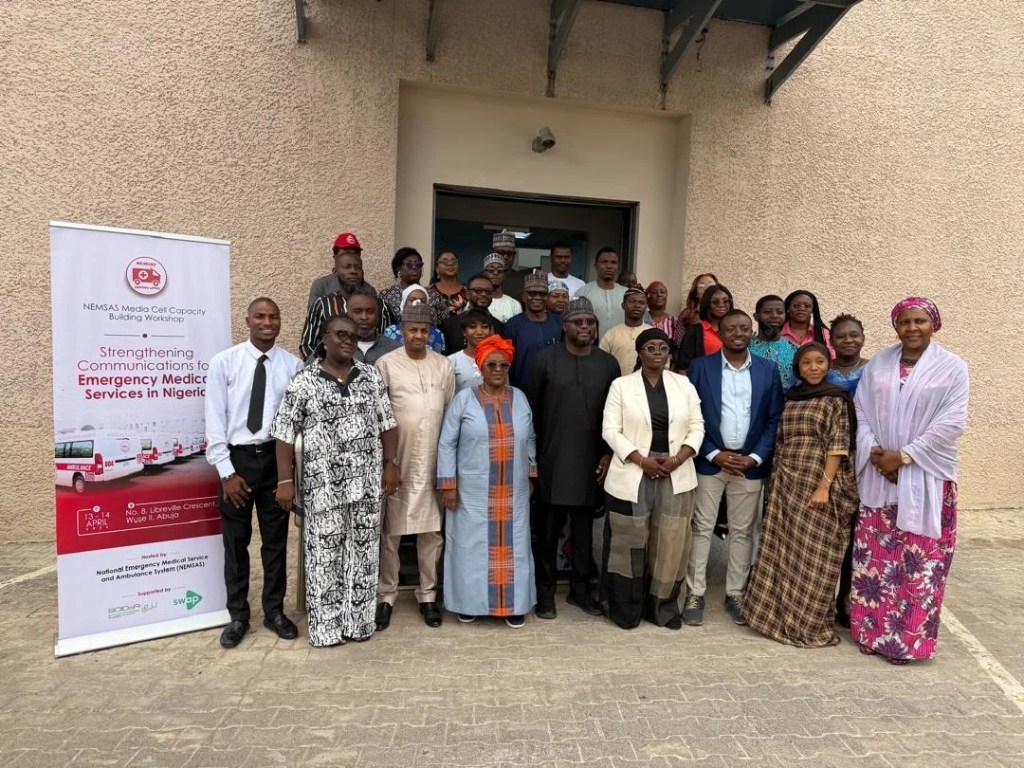
At a workshop in Abuja, the National Coordinator of NEMSAS, Dr. Doubra Emuren, said unreliable network coverage is still disrupting emergency calls—especially the national emergency line 112—making rapid response harder than it should be.
And when the network fails, he warned, people pay the price in delayed care and preventable deaths.
Emuren also pointed to deeper issues: weak coordination between agencies, limited infrastructure, and not enough enforcement of emergency protocols.
Then comes the manpower gap—only about 1,000 paramedics and 500 ambulances serve a population that needs at least four times that number.
His solution? Scale up Emergency Medical Technician (EMT) training, bring in private sector support, and even expand ambulance access through air transport for hard-to-reach or traffic-heavy areas.
He also backed a “Good Samaritan law” to protect everyday Nigerians who step in to help during emergencies.
On a brighter note, NEMSAS says it has already moved about 47,000 pregnant women and newborns safely to health facilities under its maternal emergency programme, covering everything from childbirth complications to accidents and disasters—free of charge.
Other health experts at the workshop stressed that better data, stronger coordination, and smarter media reporting are key to rebuilding public trust and fixing the system.
Nigeria’s emergency response isn’t just about ambulances—it’s about networks, coordination, and making sure help actually arrives when you call for it.

Leave a comment