
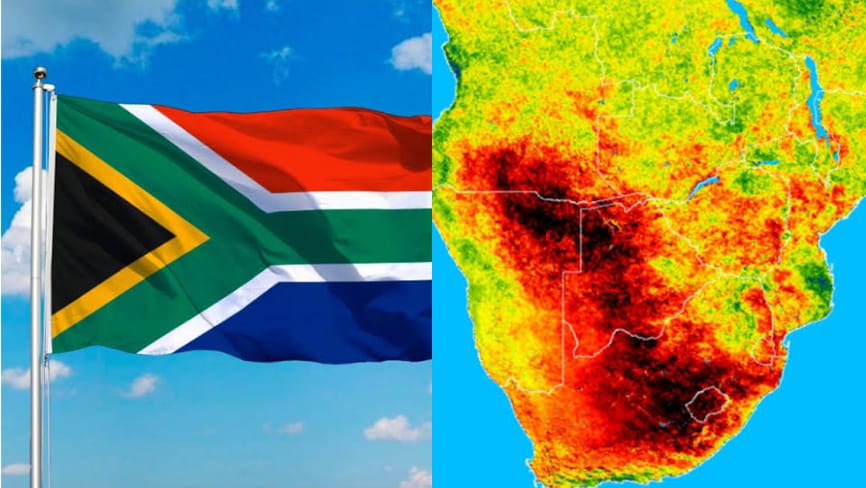
Major cities across South Africa are tightening water-use restrictions as the strengthening El Niño phenomenon threatens hotter, drier conditions, raising concerns over drought and pressure on already strained water supplies.
Authorities have introduced Level 2 water restrictions across Gauteng Province, including Johannesburg and Tshwane, where Pretoria is located. Johannesburg’s municipal government estimates that daily water consumption must be reduced by 200 million litres to stabilise supplies and ease pressure on reservoirs. Cape Town is also scheduled to introduce Level 1 restrictions from December 1, requiring a 10 per cent reduction in water consumption.
Under the restrictions, Level 1 controls target non-essential outdoor water use, while Level 2 rules prohibit the use of municipal tap water for irrigating gardens and public green spaces. Households exceeding their allocated water-use limits also face higher charges. The measures follow warnings from South Africa’s weather service that the current El Niño event could rank among the strongest on record, with below-average rainfall and above-average temperatures expected over the coming summer months.
Ferrial Adam, Executive Director of Johannesburg-based WaterCAN, said the combination of climate conditions and ageing infrastructure was worsening the country’s water challenges.
El Niño, a climate phenomenon linked to the warming of sea-surface temperatures in the central and eastern equatorial Pacific, can disrupt weather patterns and increase drought risks in some regions.
Beyond urban water supplies, prolonged dry conditions and extreme heat could affect agricultural production and push up food prices from March next year, raising further food security concerns across southern Africa.
Leave a Reply