
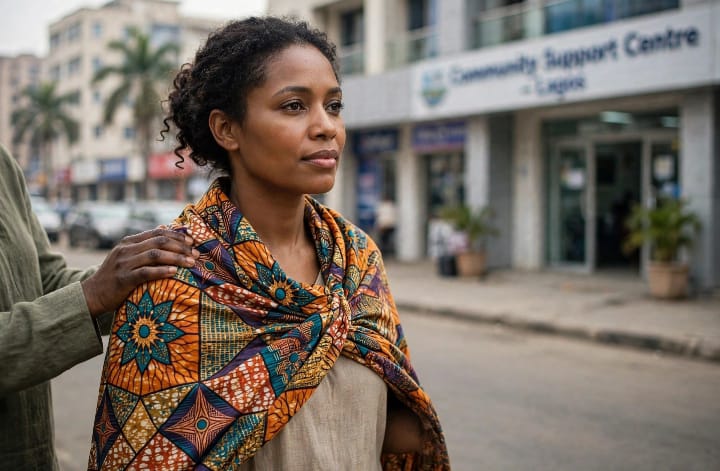
Survivors of gender-based violence (GBV) in Nigeria often face another difficult struggle after escaping abuse, as prolonged court delays, weak investigations, victim-blaming and the high cost of seeking justice continue to undermine their access to protection and support.
A recent investigation by The Guardian Nigeria reveals that some survivors must pay for medical reports, legal representation and repeated trips to court, only to encounter further adjournments. In response to gaps in public services, survivor-led organisations have stepped in to provide shelters, therapy, legal assistance, education and emergency support, raising concerns about the growing burden on non-governmental groups.
The impact of gender-based violence also extends to families and children. A major study covering 41 low- and middle-income countries, including 29 African nations, found an association between mothers’ exposure to intimate-partner violence and poorer complementary-feeding outcomes among children aged six to 23 months. Although the study did not establish a direct cause-and-effect relationship, it highlighted how abuse can affect women’s wellbeing, autonomy and access to resources needed to care for their children.
In conflict-affected Sudan, the situation remains particularly concerning, with a UNFPA report warning that GBV risks are increasing amid severe funding shortages. The agency’s 2026 Sudan appeal was only about 40 per cent funded, leaving a shortfall of US$78 million.
The findings underscore the need for affordable justice, properly trained investigators, functional shelters, confidential healthcare and psychosocial support, alongside stronger institutional accountability and responsible media reporting that protects survivors’ dignity, identity and informed consent.
Leave a Reply