
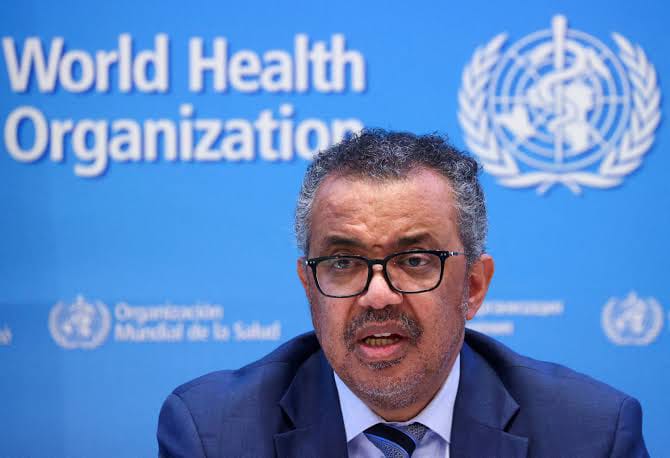
The Director-General of the World Health Organisation (WHO), Dr Tedros Ghebreyesus, has warned that climate change is already driving illnesses, disrupting essential health services and exposing health workers to growing risks. He described the climate crisis as a health emergency, saying its effects were no longer distant threats but realities affecting communities worldwide.
Ghebreyesus, in a statement on Monday, November 9, 2026, identified heatwaves, floods, droughts, wildfires and air pollution as increasing challenges for healthcare facilities and the delivery of essential services. Speaking at the COP31 Health Day media conference, he called for health considerations to become a central driver of global climate action.
The WHO chief outlined three priorities: strengthening health systems against climate-related emergencies, translating existing plans into action and increasing investment in proven climate and health interventions. He said countries needed resilient health facilities capable of operating during extreme heat, floods and storms, supported by reliable electricity, water supplies, early warning systems and well-equipped health workers.
He also urged governments to move beyond developing climate and health plans, noting that inadequate financing, capacity and coordination remained major obstacles. Ghebreyesus said addressing climate-related health risks required collaboration across sectors, including energy, transport, food, water, housing and urban planning. He called on ministries of health, finance, environment and energy to jointly plan and allocate resources, while integrating health priorities into national adaptation plans and climate commitments.
Ghebreyesus said the Antalya Initiative for Health Resilience would help countries turn priorities into practical action by documenting successful interventions and encouraging knowledge-sharing. The initiative, he explained, would complement the WHO’s Alliance for Transformative Action on Climate and Health (ATACH), providing an additional platform for countries to exchange experiences.
He also described the Belém Health Action Plan as an important framework and urged governments to make COP31 a turning point for accelerated implementation, with health explicitly considered in climate decisions and financing.
Leave a Reply