

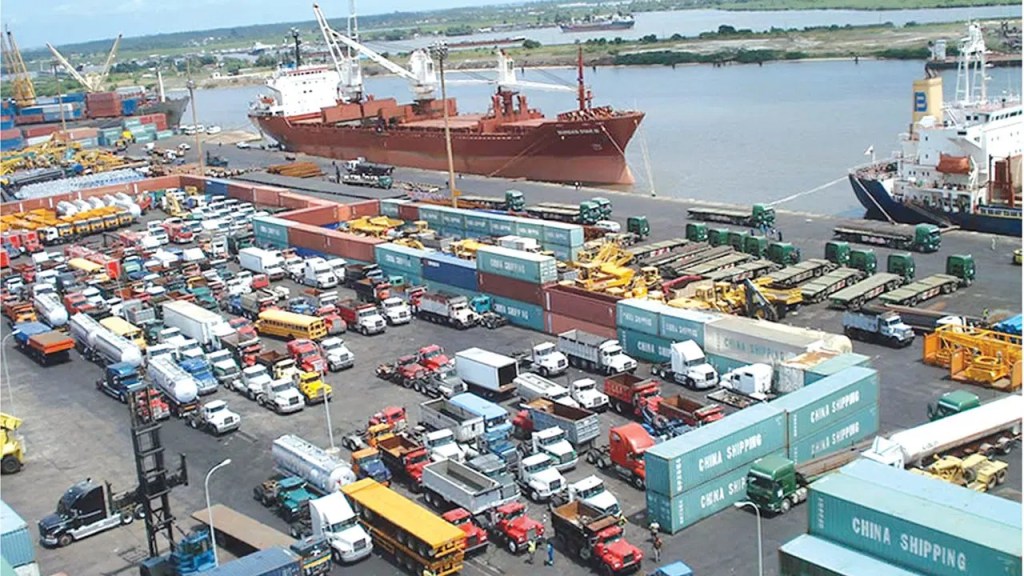
Maritime experts have raised concerns over the weak state of Nigeria’s indigenous shipping, shipbuilding and vessel repair capacity despite significant growth in port activities, warning that the country continues to depend heavily on foreign vessels and repair facilities.
A Master Mariner, Mr Femi Amusa, said the decline contrasts with Nigeria’s earlier efforts to build local maritime capacity, citing Nigerdock as an example. He said the facility, established in 1986, repaired more than 600 ships and built 28 vessels by 2001, while also training over 6,000 Nigerians and fabricating major offshore structures. Amusa added that maritime agencies generated 1.83 trillion naira in 2025, while first-quarter 2026 figures showed vessel tonnage and cargo throughput rising by 19.5 per cent and 11.6 per cent respectively.
Despite the growth, Amusa said 1,102 cabotage vessels relied on foreign facilities for repairs in 2025. He also expressed concern over the 50 billion naira modular floating dock acquired by the Nigerian Maritime Administration and Safety Agency (NIMASA), which he said remained idle, arguing that the situation was costing Nigeria jobs and foreign exchange. He called for an integrated maritime-industrial policy to strengthen indigenous vessel ownership, ship repair and technical training.
Nigerdock’s Chief Marketing Officer, Mr Kevin Johnson-Azuara, said the shipyard had docked more than 700 vessels in the past decade and currently operates a 25,000-deadweight-tonne dry dock, alongside a floating dock and specialised workshops.
Meanwhile, the Shipping Association of Nigeria Chairman, Mrs Boma Alabi, SAN, and other industry stakeholders called for stronger support for indigenous shipping and the development of industries needed for shipbuilding, including steel production, marine engines, electronics, specialised equipment, financing and skilled manpower.

Leave a comment