
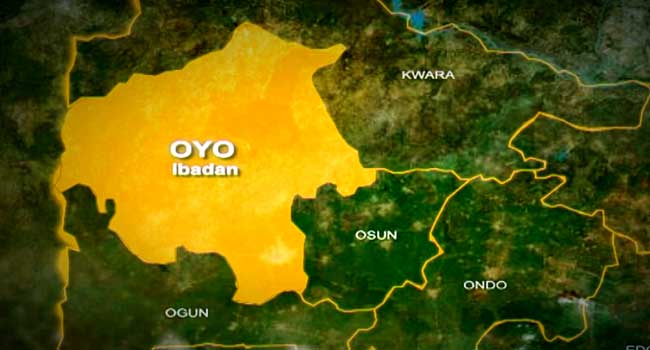
Saving forests in Oyo now starts in schools, homes, and neighborhoods not just protected reserves.
Oyo State is rethinking forest conservation. With urban expansion, illegal logging, and farming pressuring reserves, experts say the fight to save forests must extend beyond official parks into classrooms, farms, and local communities.
At this year’s International Day of Forests in Ibadan, stakeholders highlighted that Nigeria has lost almost half its forest cover in three decades, and Oyo’s reserves like Opara and Igangan have seen declines of up to 91%.
The Geo-Information Society of Nigeria (GEOSON) is leading a new approach called Geomentorship for Biodiversity Restoration, combining tree planting, mapping, and monitoring in schools. “We are going to plant 5 million trees in Oyo over the next 3–4 years, starting with students,” said GEOSON’s David Afolayan.
Experts stressed that conservation requires knowledge, education, and practical engagement. Dr. Rotimi Obateru noted, “We cannot control nature, but we can control our actions.” Dr. Mary Ugobi-Onyemere added that planting the right indigenous species and tracking their growth is key.
Oyo’s Commissioner for Environment, Dr. Ademola Aderinto, emphasized collaboration: “Government cannot do this alone; citizens must see trees as assets, not obstacles.” Stakeholders echoed that scientific guidance, aftercare, and community participation are essential for long-term success.
The message is clear: forest survival depends on everyday action—from schools to homes. Trees are not just scenery; they are life, food, medicine, and economic value.

Leave a comment