
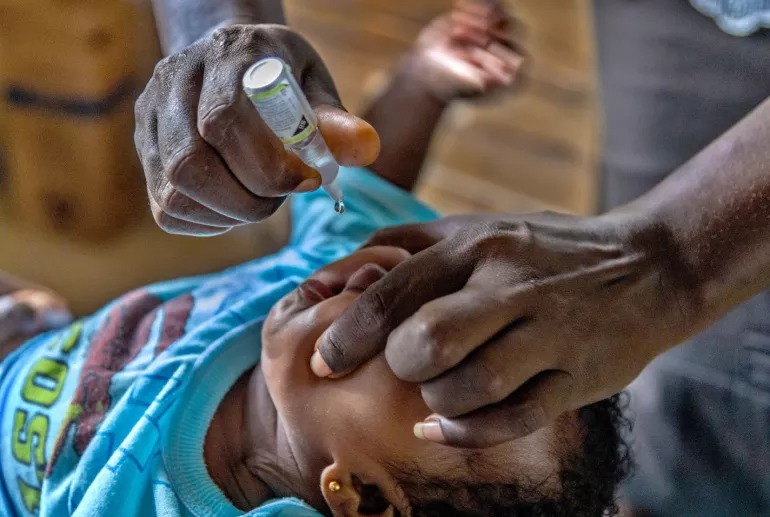
Nigeria has boosted health funding sharply—but experts say delays in releasing the money could derail progress in reaching every child with life-saving vaccines.
Stakeholders in Nigeria’s health sector say immunisation financing has surged by 233% in two years, but persistent delays in fund release are now threatening vaccine supply and routine immunisation services nationwide.
They raised the concern at a media engagement in Abuja on immunisation financing and “zero-dose” children, organised by the Vaccine Network for Disease Control (VNDC) under the PREACH Project, supported by Gavi and the Global Health Advocacy Incubator.
According to data shared, funding rose from ₦69.57 billion in 2023 to ₦231.74 billion in 2025, marking the highest allocation so far. However, only ₦68.8 billion has actually been released, exposing a major gap between approval and implementation.
VNDC Chief Executive Officer Chika Offor warned that the delays could disrupt vaccine supply chains and weaken efforts to reach children who have never received a single dose of routine vaccines.
She stressed that while media attention sometimes forces partial releases, the momentum is often not sustained, allowing systemic bottlenecks to continue.
Offor called for stronger advocacy, improved accountability, and new financing options such as increasing the Basic Health Care Provision Fund, earmarking Federation Account resources for health, reforming sugar tax policies, and creating an Immunisation Trust Fund.
Media expert Moji Makanjuola urged journalists to focus more on grassroots storytelling, saying community voices can drive faster government response than elite discussions.
She cited examples where local reporting in communities like Kwali led to quick intervention and fund release within a week.
Also speaking, Prof. Emmanuel Alhassan of the Global Health Advocacy Incubator stressed that community-focused reporting has already improved primary healthcare delivery in several areas.
He urged stronger collaboration between media, civil society, and communities to ensure that no child is left behind in immunisation coverage.
Stakeholders agreed that while funding has improved significantly, timely release and accountability will determine whether Nigeria can truly close immunisation gaps.

Leave a comment