
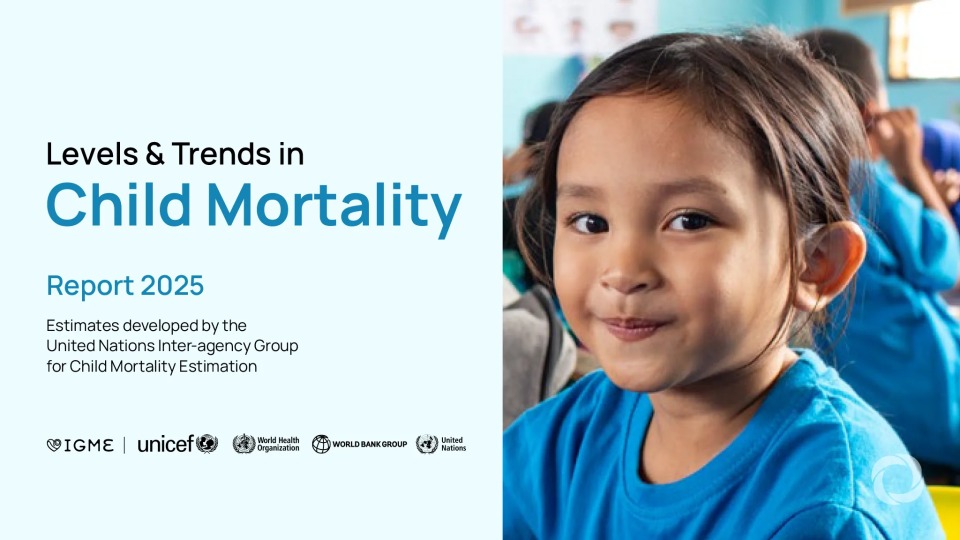
Progress is slowing, inequality is widening, and millions of child deaths remain preventable—this is the UN’s urgent warning to the world.
The United Nations is raising alarm over the slow pace of progress in reducing child mortality, revealing that about 4.9 million children died before their fifth birthday in 2024, despite decades of global gains.
The report by the UN Inter-agency Group for Child Mortality Estimation (UN IGME) shows that while under-five deaths have more than halved since 2000, progress has slowed sharply since 2015 by over 60%, raising concerns about stalled global action.
According to the findings, many of these deaths are still linked to preventable and treatable causes, including infections, complications at birth, and malnutrition.
A striking highlight is that newborn deaths account for nearly half of all under-five deaths, driven largely by preterm complications and issues during labour and delivery.
For the first time, the report also estimates deaths linked directly to Severe Acute Malnutrition (SAM), which killed over 100,000 young children in 2024, with far more indirect impacts due to weakened immunity.
UNICEF’s Executive Director, Catherine Russell, warned that no child should die from preventable diseases, noting that shrinking global health budgets could worsen the situation.
WHO Director-General Tedros Adhanom Ghebreyesus also stressed that children in conflict zones are nearly three times more likely to die before age five, calling for stronger protection of health services.
The World Bank’s health lead Monique Vledder urged faster rollout of proven solutions to expand access to primary healthcare.
The report shows stark regional inequality: sub-Saharan Africa accounts for 58% of global under-five deaths, with malaria, pneumonia, and diarrhoea remaining major killers.
Countries such as Nigeria, Niger, Chad, and the Democratic Republic of the Congo remain among the hardest hit, especially where conflict, climate shocks, and weak health systems persist.
UN officials are warning that without renewed investment and political will, millions more preventable child deaths could continue each year.

Leave a comment