
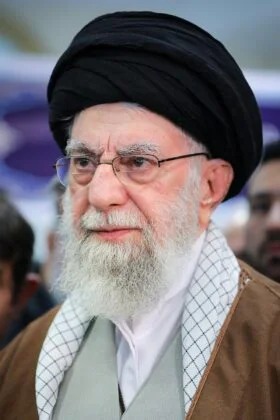
The assassination of Iran’s Supreme Leader Ali Khamenei on Feb. 28, 2026, allegedly by the United States and Israel, has ignited a full-blown regional conflict with global economic ripples.
What began as a targeted strike has escalated into waves of Iranian missile and drone attacks on Israel and U.S. bases across the Gulf, while Tehran threatens to block the strategic Strait of Hormuz, a chokepoint for nearly 20% of the world’s oil supply.
Experts warn the move sets a dangerous precedent in international law, as directly targeting a sitting head of state outside war zones challenges long-standing norms. Analysts caution that removing one leader rarely dismantles entrenched systems, often strengthening hardline factions instead.
The conflict is already impacting global energy markets. Oil prices surged within days, and African economies like Nigeria face a double-edged sword: government revenue may rise from higher crude prices, but consumers are hit with rising fuel, transport, and food costs, fueling inflation.
Global powers are divided: Russia and China condemned the strike, warning it undermines international norms, while the UN Security Council struggles to produce a unified response. Analysts say a prolonged conflict could deepen geopolitical rivalries, disrupt trade, and threaten global energy security.
Religious and civic leaders urge calm. Rev. John Joseph Hayab called for unity across faiths, stressing that war brings suffering to all, not just one side, and that peaceful resolution must prevail.
The crisis demonstrates that even localized military actions can have far-reaching global consequences, affecting economies, alliances, and international stability. Whether Iran’s regime weakens or hardlines consolidate, and how the conflict reshapes the Middle East, remains uncertain—but the geopolitical shockwaves are already being felt worldwide.

Leave a comment