
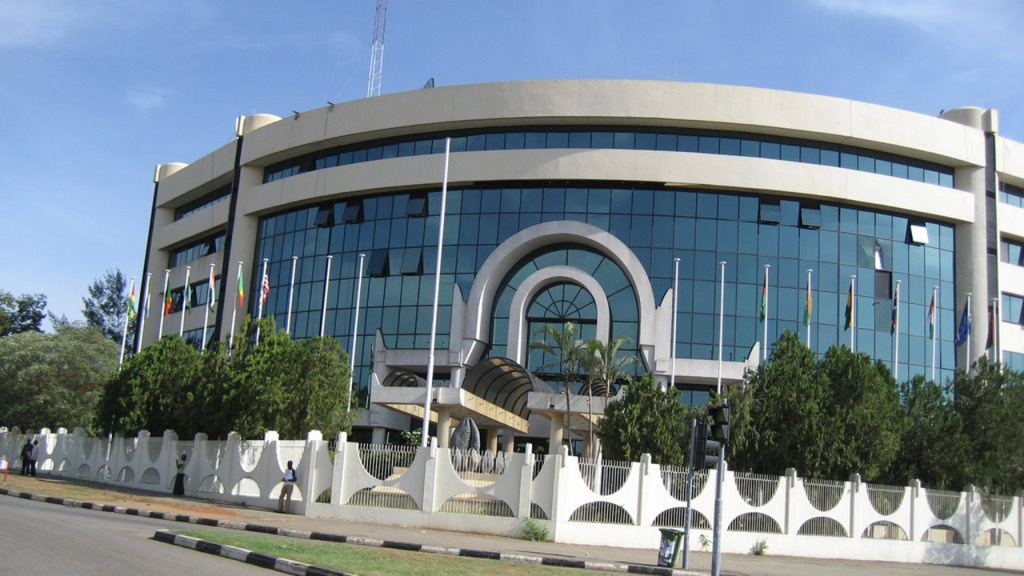
West Africa is standing at a historic economic tipping point. With a combined market of $3.4 trillion, ECOWAS has long aimed to become a fully integrated economic powerhouse—but ambition alone won’t cut it. The launch of the African Continental Free Trade Area (AfCFTA) is being hailed as the biggest opportunity yet to turn decades of regional integration into real growth, jobs, and competitiveness.
AfCFTA links 1.4 billion people across 54 countries, creating the world’s largest free trade area by participation. But experts warn: success depends on implementation, not just promises. Harmonised customs, efficient transport corridors, digital trade systems, and inclusive policies are key.
At a recent ECOWAS Parliament seminar in Abuja, stakeholders highlighted the hurdles: infrastructure gaps, red tape at borders, inconsistent regulations, and weak digital systems. Rep. Benjamin Kalu summed it up: “You can build a six-lane highway, but if trucks spend 14 hours at the border, it’s just an expensive parking lot.”
Speakers also stressed that inclusion is crucial. Women make up 74% of informal cross-border traders, and youth rely heavily on trade for livelihoods. Without policies that protect them, integration risks leaving its human engine behind.
Digitalisation, through initiatives like PAPSS, could slash cross-border transaction costs, while modern migration and labour governance systems can unlock the full benefits of human mobility. But political stability and security remain vital, as ECOWAS leaders note that economic cooperation and peace go hand in hand.
The takeaway: AfCFTA gives West Africa the blueprint, but discipline, infrastructure, inclusive governance, and political will will determine whether ECOWAS transforms into the economic force it has long promised to be—or remains stuck in potential.

Leave a comment