
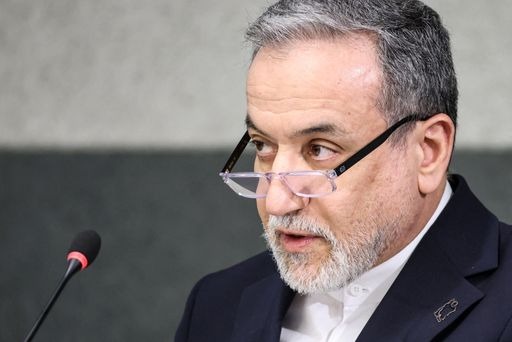
With military tensions rising and deadlines looming, diplomacy returns to the table.
Delegations from Iran and the United States are meeting in Geneva for a crucial new round of nuclear negotiations — their third indirect engagement this year, mediated once again by Oman.
Iran’s team is led by Foreign Minister Abbas Araghchi, while Washington is represented by Special Envoy Steve Witkoff and Jared Kushner. Rafael Grossi, head of the International Atomic Energy Agency, is also expected in Geneva after prior consultations.
At the heart of the talks is Iran’s controversial nuclear programme. Western powers want firm guarantees that Tehran will not develop nuclear weapons. Iran insists its programme is civilian but has signalled readiness to cap uranium enrichment at low levels similar to the 2015 deal that U.S. President Donald Trump withdrew from in 2018.
However, Tehran has drawn clear red lines: no full dismantling of enrichment infrastructure, no negotiations over its missile programme, and no talks about ending support for regional allies like Hezbollah.
In exchange, Iran wants sweeping sanctions relief to ease a crushing economic crisis that has battered its middle class and cut it off from global markets.
Tensions remain high. Trump recently warned that without a deal, “bad things” could happen, while Iranian leaders cautioned that any attack could spark a regional war. The U.S. has ramped up its military presence in the Middle East, reportedly its largest air buildup there since 2003.
With Switzerland hosting and acting as a neutral channel between the two sides, the stakes couldn’t be higher: a breakthrough could calm the region failure could push it closer to confrontation.

Leave a comment