
A conflict thousands of kilometres away could soon hit wallets across West Africa.
The Economic Community of West African States (ECOWAS) has raised alarm over escalating hostilities in the Gulf region, warning that a prolonged crisis could drive up fuel and food prices in Nigeria and neighbouring countries already grappling with inflation and currency pressures.
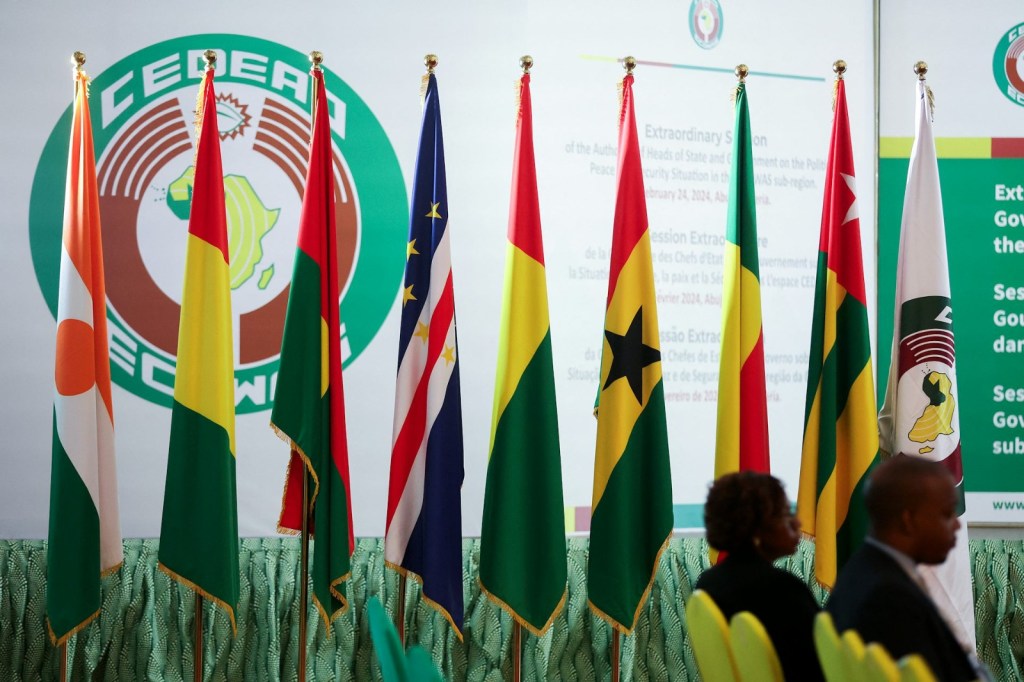
In a statement issued under the chairmanship of Sierra Leone’s President, Julius Maada Bio, the 12-member bloc aligned with concerns earlier expressed by the African Union Commission over intensifying military exchanges.
ECOWAS stressed that although the conflict is geographically distant, the economic ripple effects could be swift. The Gulf plays a central role in global oil and gas supply, and any disruption — particularly around key maritime routes like the Strait of Hormuz — could send international energy prices soaring.
For Nigeria and other crude-producing nations that still import refined petroleum products, oil price volatility often translates into higher pump prices, increased transport costs and worsening food inflation.
The bloc also warned that shipping disruptions could deepen supply chain challenges first triggered by COVID-19 and worsened by the Russia-Ukraine war. Food-import-dependent countries may be especially vulnerable, given reliance on wheat, fertiliser and other agricultural inputs linked to global trade corridors.
ECOWAS urged all parties to exercise restraint, respect international law and prioritise dialogue over escalation, emphasizing that civilian lives and critical infrastructure must be protected.
With debt burdens rising, currencies weakening and climate pressures mounting, West Africa is bracing for potential aftershocks of another global crisis.

Leave a comment