
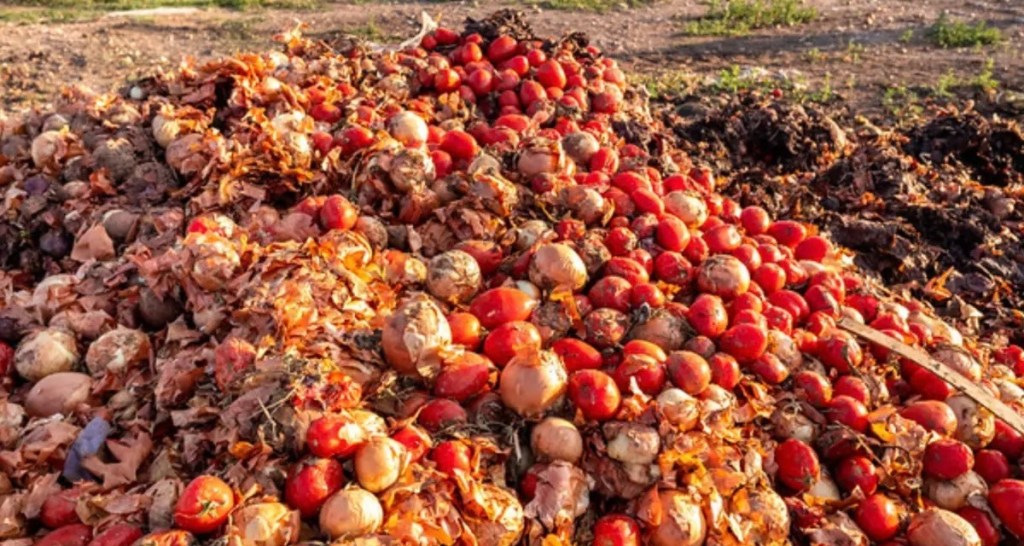
Plateau’s tomato farmers say their biggest enemy isn’t poor harvest — it’s what happens after harvest, as lack of storage and processing forces them to sell cheaply or watch their produce rot.
Tomato farmers in Plateau State have raised alarm over the absence of adequate storage and processing facilities, describing it as a major setback threatening their livelihoods and limiting profits.
Musa Abdullahi, a farmer who cultivates between three and five hectares yearly, said tomatoes spoil quickly, forcing farmers to rush sales immediately after harvest, often at low prices. According to him, farmers harvest as many as 200 to 300 baskets per season but lack the facilities to preserve or process them for better value.
He explained that while government occasionally provides subsidised fertilisers and improved seeds, the support is inconsistent and does little to address post-harvest losses. Some farmers resort to drying tomatoes under the sun, but Abdullahi said the method is inefficient and does not reflect the true value of their investment.
Although companies like Tomato Jos Farming and NaFarm Foods buy tomatoes for processing, many smallholder farmers still rely heavily on middlemen, limiting their bargaining power and income.
Another farmer, Mrs Chundung Pam, highlighted additional challenges including pests and diseases, rising fertiliser and transport costs, insecurity, and unstable market prices.
She called on government and private investors to establish modern storage facilities and processing plants, stressing that such investments would reduce losses, boost farmer earnings, and strengthen tomato production in Plateau State.

Leave a comment