
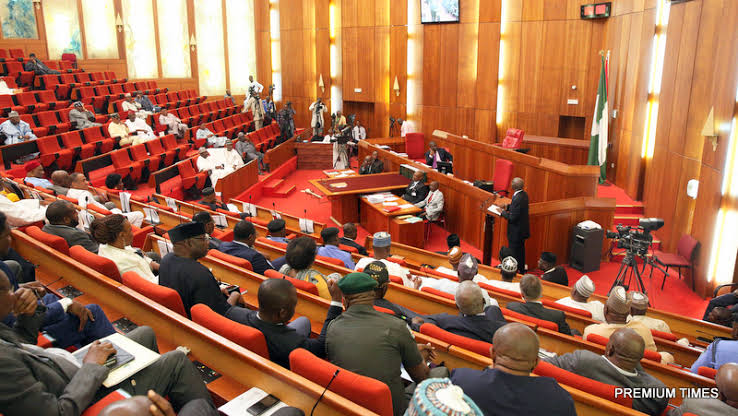
With Africa’s $3.4 trillion free trade market now active, Nigeria is pushing ECOWAS lawmakers to enact strong laws that will unlock massive trade, investment, and job opportunities across West Africa.
Nigeria has called on parliamentarians in the Economic Community of West African States (ECOWAS) to accelerate legislation that will drive the full implementation of the African Continental Free Trade Area (AfCFTA) and strengthen regional economic integration.
Minister of State for Foreign Affairs, Bianca Ojukwu, said lawmakers play a critical role in ensuring member countries domesticate trade agreements, harmonise policies, and remove regulatory barriers that slow down cross-border trade.
She stressed that AfCFTA offers West Africa a historic chance to expand intra-regional trade, strengthen supply chains, and position local businesses to compete in a continental market of over 1.4 billion people.
According to her, parliamentarians must ensure proper legislation, budgetary support, and oversight to guarantee effective implementation, while engaging key stakeholders such as the private sector, customs authorities, and civil society.
ECOWAS Commission President, Omar Touray, described lawmakers as the bridge between trade agreements and real economic benefits for citizens. He said deeper integration would help transform West Africa into a major global manufacturing and trade hub.
He also warned that political instability and coups in parts of the region threaten economic growth, urging continued dialogue to restore democracy and strengthen regional unity.
Speaker of the ECOWAS Parliament, Mémounatou Ibrahima, called on governments, businesses, and citizens to seize AfCFTA opportunities, stressing that harmonised laws and removal of trade barriers are essential to unlocking the region’s full economic potential.
The AfCFTA, now operational, is expected to boost trade, create jobs, and accelerate economic growth across Africa if backed by strong legal and institutional frameworks.

Leave a comment