
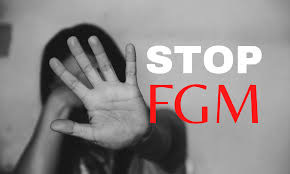
FGM is not culture—it’s violence. Experts say Nigeria must act now to protect girls.
Health and public health experts have raised the alarm over Female Genital Mutilation (FGM), highlighting its devastating health, psychological, and social consequences, and calling for immediate action to stop the practice.
Speaking ahead of the 2026 International Day of Zero Tolerance for FGM, gynaecologist Dr. Olufiade Oyerogba said FGM has no medical benefit and can cause severe pain, bleeding, infections, chronic pelvic pain, menstrual issues, stillbirths, neonatal death, and long-term reproductive and mental health complications. She stressed that the practice does not protect morality, fertility, or marriage prospects, contrary to common myths.
Public health physician Dr. Omolade Falade added that FGM can trigger lifelong trauma, anxiety, depression, PTSD, and childbirth complications, even risking the lives of infants. She urged community awareness, health education, and male engagement to challenge patriarchal norms that sustain FGM.
UNICEF field officer Dr. Dare Adaramoye noted that FGM persists due to entrenched cultural beliefs, gender inequality, and misinformation. He highlighted UNICEF’s efforts with local partners to mobilize girls, boys, and communities, enforce anti-FGM laws like the VAPP Act, and provide survivor support, healthcare, and advocacy programs.
Experts agree that Nigeria has made progress—FGM prevalence is declining among younger women thanks to education, advocacy, and legislation—but enforcement gaps, cultural resistance, and medicalization of FGM remain major challenges.
They called on governments, community leaders, parents, health professionals, and civil society to take urgent, collective action to break the cycle of harm, invest in prevention programs, and ensure that every girl grows up free from FGM.

Leave a comment