
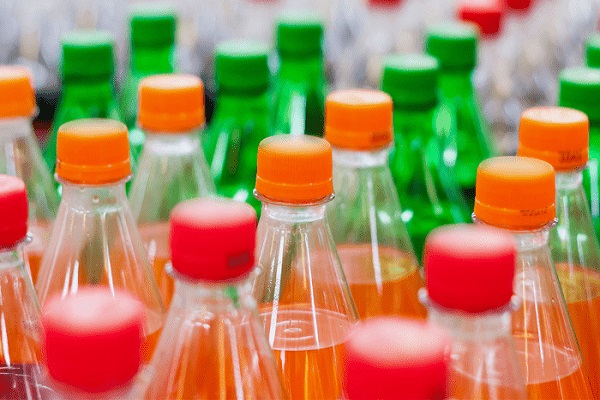
That cold soda or sweet iced coffee may feel harmless, but the World Health Organisation says it’s quietly costing the world millions of lives — and it’s time governments stepped in.
The World Health Organisation (WHO) has urged countries to significantly raise taxes on sugary drinks and alcohol, warning that these products are too cheap and too easy to get in most parts of the world, fueling obesity, diabetes, cancer, and injuries.
Speaking virtually to journalists on Tuesday, WHO Director-General Dr. Tedros Ghebreyesus said higher “health taxes” have proven benefits.
According to him, taxing unhealthy products doesn’t just reduce consumption — it also prevents disease, eases pressure on health systems, and generates revenue governments can reinvest in healthcare, education, and social protection.
WHO data shows that at least 116 countries currently tax sugary drinks, but many high-sugar products still slip through the cracks. These include 100% fruit juices, sweetened milk drinks, and ready-to-drink coffees and teas, even though they can contain just as much sugar as sodas.
On alcohol, the organisation noted that 167 countries tax beer, wine, and spirits, yet alcohol has actually become more affordable in many places since 2022. The reason? Taxes haven’t kept pace with inflation and rising incomes.
WHO warned that what seems like a harmless daily treat — like a sweet, chilled coffee on a hot day — can have serious long-term health consequences if consumed regularly.
High intake of sugary drinks has been linked to weight gain, obesity, Type 2 diabetes, heart disease, and even dental problems and osteoporosis.
Alcohol, on the other hand, increases risks to maternal and child health, worsens mental health, raises exposure to communicable and noncommunicable diseases, and increases the chances of injuries to both drinkers and others.
The good news? Higher taxes work. Fewer people consume harmful drinks when prices go up.
To prove the point, Dr. Tedros pointed to the United Kingdom, which introduced a sugary drinks tax in 2018. The move led to lower sugar consumption, generated £338 million in revenue in 2024 alone, and contributed to reduced obesity rates among girls aged 10 and 11, especially in poorer communities.
WHO is now calling on governments worldwide to raise and redesign health taxes as part of a broader strategy targeting tobacco use, alcohol abuse, and excessive sugar consumption.
The message is clear: make unhealthy choices cost more — and healthier lives will follow.

Leave a comment