
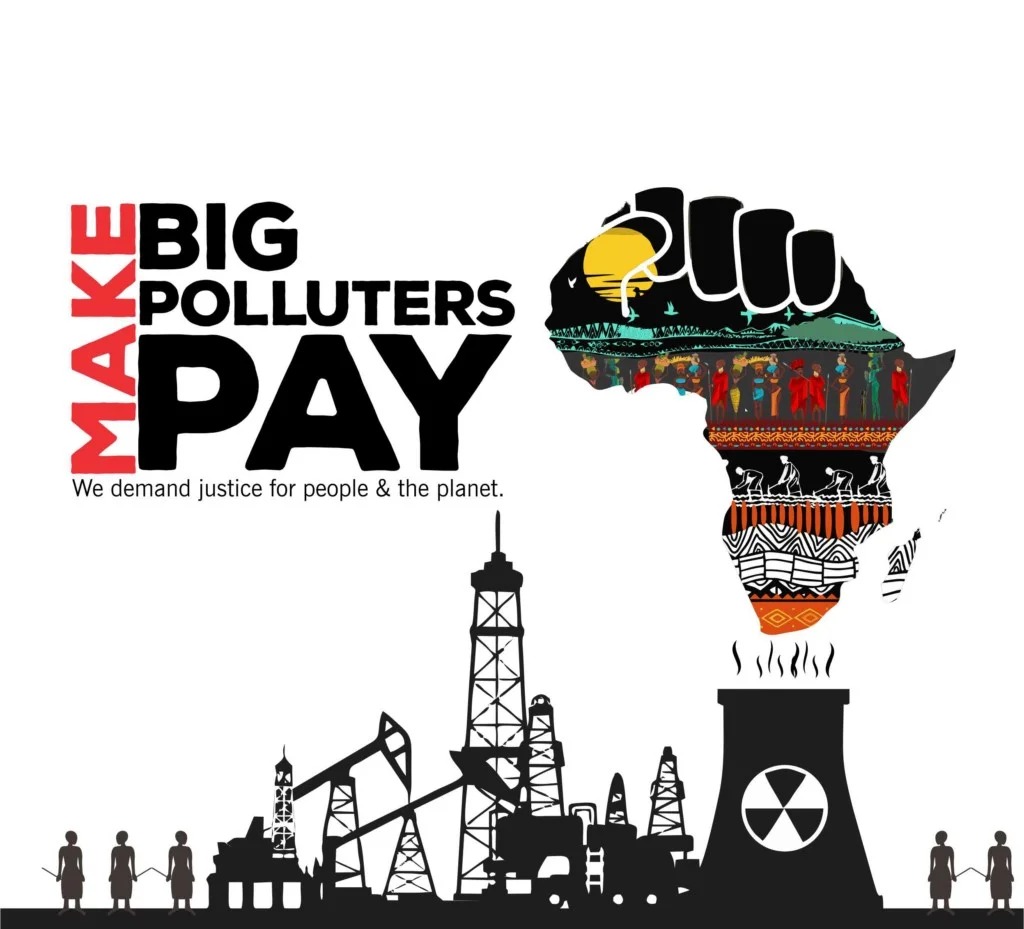
The Make Big Polluters Pay (MBPP) Coalition has condemned the newly launched Tropical Forest Forever Facility (TFFF) as a misleading attempt to financialise nature under the pretense of protection. Robert Egbe, Media Officer for Corporate Accountability and Public Participation Africa (CAPPA), spoke out for the coalition in Abuja during COP30, where the $125 billion TFFF was announced.
Comprising over 32 African organizations, MBPP focuses on holding polluting corporations accountable for their role in the climate crisis. They reject the TFFF, which is presented as a climate finance tool promising payments to countries for forest conservation. Instead, MBPP warns it turns forests into “tradable assets” controlled by powerful financial institutions that will likely perpetuate deforestation, exploitation, and inequality.
“The excitement around TFFF is misplaced,” the coalition said. It commodifies ecosystems, undermines Indigenous and community stewardship, and contradicts climate justice principles.
MBPP highlights the risks to Africa’s biodiversity and vulnerable communities. Instead of empowering nations like Nigeria, Angola, Ghana, and others, TFFF threatens to deepen financial dependence and prioritize investor returns over community needs.
The coalition criticized TFFF’s finance model, where investor returns come first, leaving countries only residual payments. This amounts to pure privatization of forest finance based on speculation, rather than true sustainability.
They pointed out that redirecting just 1% of the $2.7 trillion global military spending yearly could fund climate action far beyond TFFF’s market-driven promises, exposing it as profit-making disguised as climate aid.
The group also slammed appointing the World Bank as trustee, warning this move risks centralizing power, delaying funds, and silencing frontline communities. CAPPA’s Akinbode Oluwafemi emphasized, “Accountability in climate finance starts with rejecting corporate capture.”
Gender CC Southern Africa’s Mokoena Ndivile stressed that forest preservation is a right connected to survival and livelihoods, especially for women, and warned against handing control to financial institutions that commodify that right.
The Global Forest Coalition Kwami Kpondzo raised concerns that World Bank involvement marginalizes indigenous knowledge and prioritizes corporate profits, undermining local stewardship.
MBPP insists TFFF’s governance favors financiers over forest communities and calls on world leaders to reject the facility in favor of transparent, community-led climate finance that upholds local control and environmental justice.

Leave a comment