
Ending world hunger by 2030 would only cost $93 billion a year less than 1% of what the world has spent on military budgets over the past decade. Yet, by 2026, a staggering 318 million people could face crisis levels of hunger or worse, more than double the number from 2019. International support is slow, fragmented, and underfunded, so many in conflict zones like Sudan, Gaza, Haiti, Yemen, the Sahel, and the Democratic Republic of Congo won’t get the help they need.
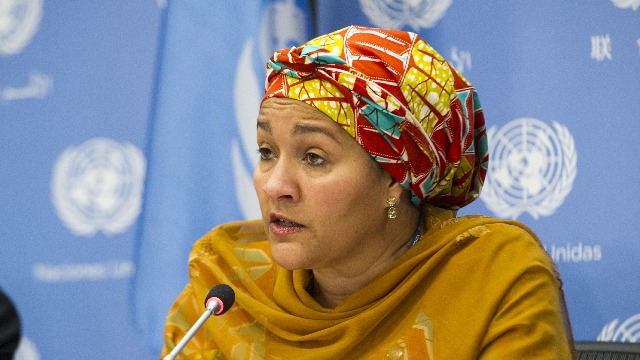
UN Deputy Secretary-General Amina Mohammed said, “The poorest pay the ultimate price. When the elephants fight, it is the grass that suffers.” Innocent families are paying for wars they didn’t start, and for decisions made far from their homes. WFP Executive Director Cindy McCain stressed that the world is facing simultaneous famines in Gaza and Sudan something completely unacceptable in the21st century. WFP plans to help110 million people in 2026 with emergency food, nutrition, and resilience programs, but more support is desperately needed.
Investing in climate adaptation, peace, and local markets and empowering women and young people are key to ending hunger. Early, effective, and innovative solutions can save lives, but the world must act now.

Leave a comment