
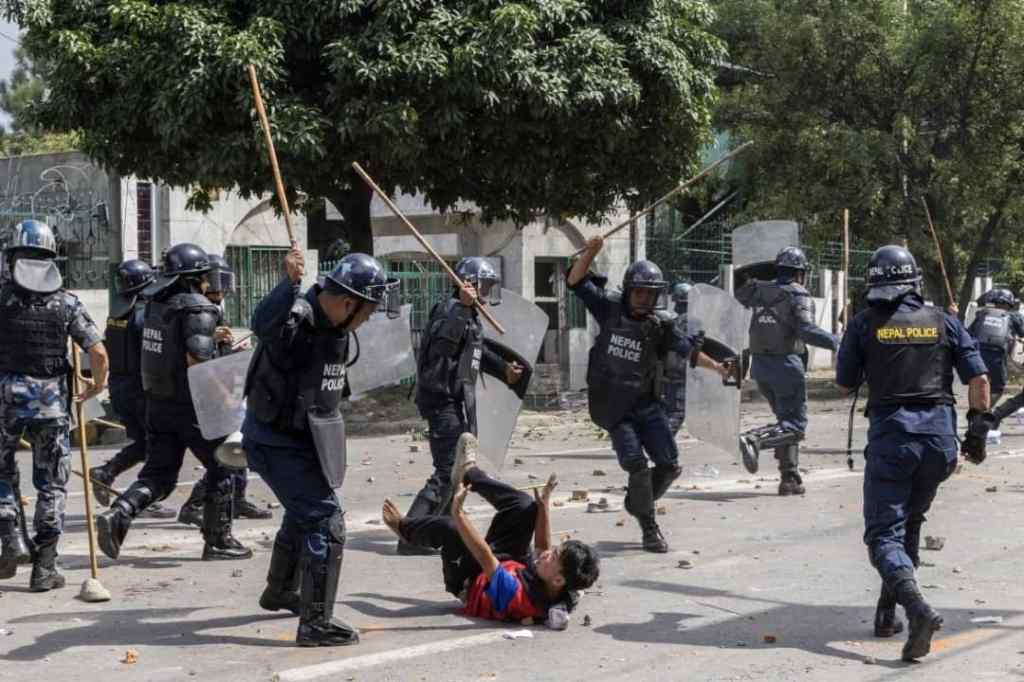
Nepal finds itself at a historic crossroads as countrywide youth protests turn deadly and force the resignation of Prime Minister K.P. Sharma Oli. What began as peaceful demonstrations against a controversial ban on 26 popular social media platforms spiralled into calls for deep-rooted political change—and violent clashes that have left over 22 people dead.
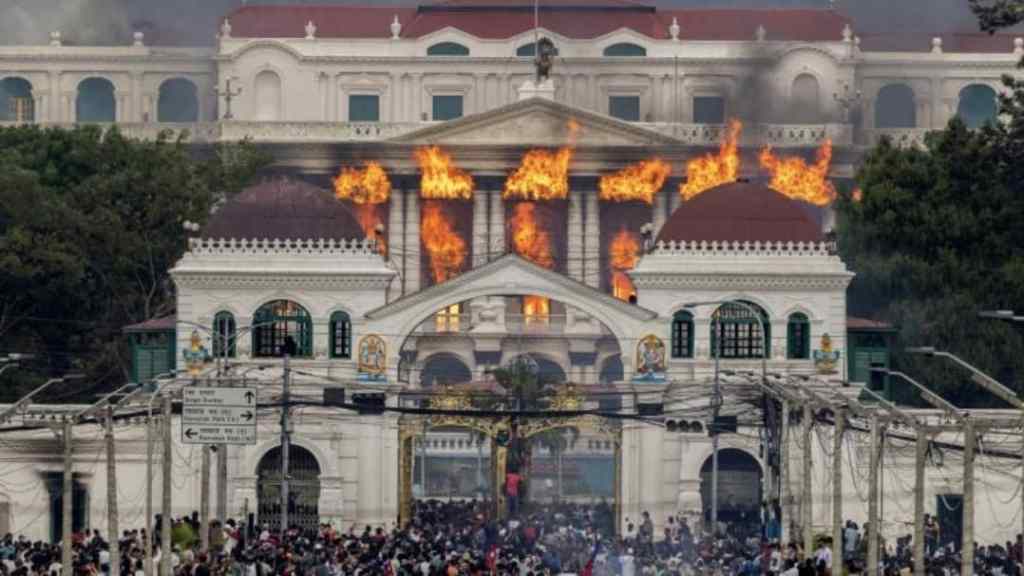
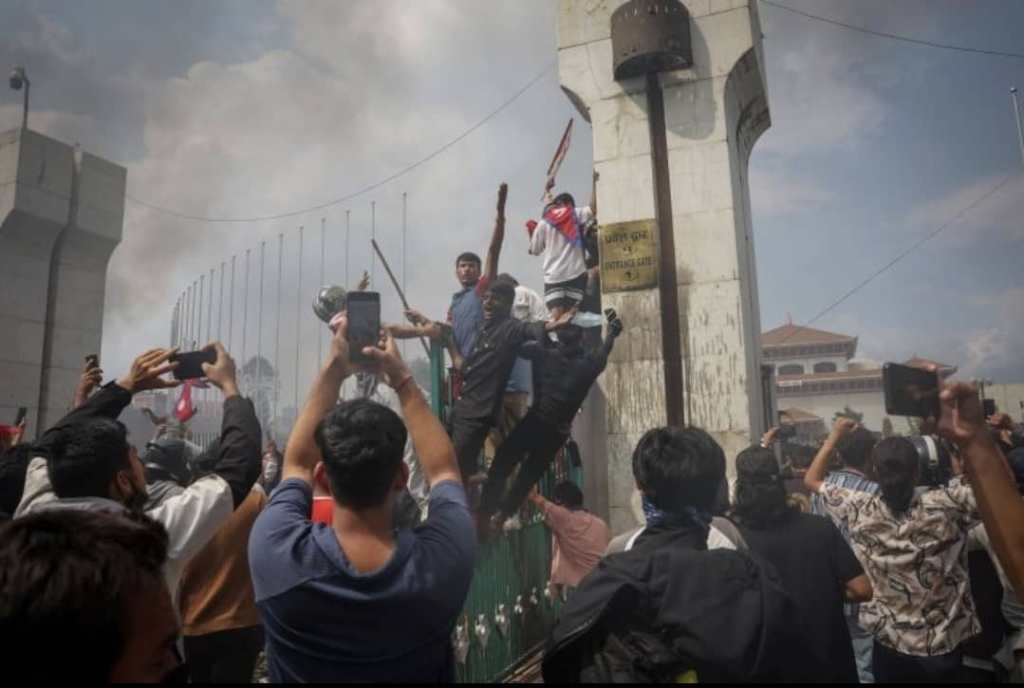
Generation Z, the main drivers of the movement, lit up Kathmandu’s streets with fiery protests, burning down the Parliament, Supreme Court, and politicians’ homes as they vented frustration against rampant corruption, nepotism, and economic hardship. The ban on WhatsApp, Instagram, and Facebook was the tipping point, but the youth are demanding much more: the overhaul of Nepal’s political system, fresh elections, and accountability from leaders long accused of enriching themselves and their families at the expense of ordinary citizens.
In response to the unrest, Nepal’s army has taken control of the capital, enforcing an indefinite curfew in an attempt to restore order. The prime minister’s resignation opens a fragile and uncertain political chapter, with calls now growing for fast-tracked reforms like term limits, direct election of the PM, and dismantling entrenched dynastic politics. Rising leaders like Kathmandu’s independent mayor Balendra “Balen” Shah hint at a possible new dawn, but peace and stability remain fragile as dialogue is sought amid widespread public anger.
Nepal’s youth have sent a clear message: social media is just the surface issue — their fight is for a future free from corruption, oppression, and economic neglect. As the streets cool, the nation watches, waiting to see if these protests will truly change the course of Nepal’s history.
Photo credit: al jazeera news

Leave a comment